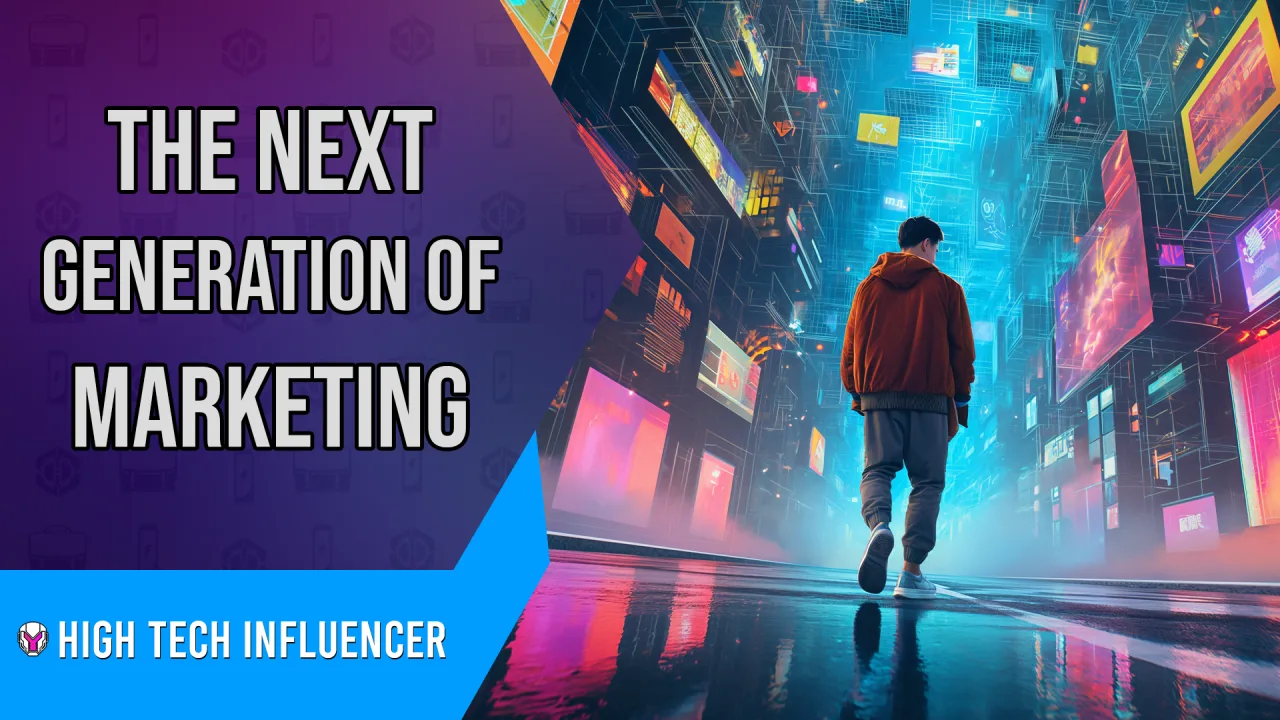
Are marketers prepared for the next generation of the web? This isn't just a question for companies but and brands as well. The digital realm is undergoing a profound transformation, and those who don't adapt may find themselves left behind.
Currently, major players like Nvidia, Meta (formerly known as Facebook), and Apple are boldly embracing this new era of the internet. Facebook's transformation into Meta, with a clear focus on the Metaverse, a product of the third generation of the internet, serves as a striking example of this shift. It's imperative for companies to not only acknowledge this change but to understand how to remain relevant as we transition into the immersive age.
Just as many companies today reflect on missed opportunities of not embracing social media during its emergence in the mid-2000s, the same sentiment may apply to those who fail to position themselves for the next generation of the internet aka the Immersive Age.
The Immersive Internet: Beyond 2D Ads
The immersive internet promises to usher in a new era of online experiences. Instead of the familiar 2D ads that we encounter today, the future will bring forth 3D immersive branded experiences. Companies will shift their focus from showcasing animated images or mini-games to creating memorable and engaging experiences that not only enhance brand awareness but also deliver tangible value to the user.
Social Media's Evolution: From Notifications to World-Building
Social media platforms will undergo a profound transformation. They will evolve into immersive gathering spaces, complete with integrated notifications, avatars, and blockchain ownership. Imagine having "phone" calls via headsets or within virtual worlds, utilizing personalized avatars or virtual counterparts. Social media will no longer be solely about sharing updates; it will become a realm for world-building, driven by user-generated content which brands will have to compete for. Notifications will be distributed within users' networks of family and friends, making advertisers compete by offering superior experiences rather than resorting to traditional ad spaces that often go unnoticed.
Blockchain Tokenization: Unlocking Transferable Assets
A crucial aspect of the immersive internet will be the transferability of unique items or skins across various platforms through blockchain tokenization. Companies will invest in these assets, allowing users not only to customize their experiences but also to show support for their favorite influencers. The user's journey will be enriched through these tokenized assets.
The Art of Immersive Advertising: Storytelling and Gamification
To advertise effectively in the age of the immersive internet, companies and brands will need to master the art of storytelling and gamification. These elements will be essential in crafting engaging and compelling advertising campaigns.

Beyond Audio and Visual: Haptic Feedback
Immersive advertising will also extend beyond audio and visual experiences. Companies and brands must consider haptic feedback, enriching their advertising campaigns with tactile sensations that further engage the audience.
In this transformative landscape, companies will introduce new roles, such as the Chief Metaverse Officer (CMO), to lead in this dynamic and immersive internet era.
The question of whether you are building for the next generation of the internet isn't just a future consideration—it's a current building state. By embracing these shifts and preparing for the immersive age, companies and brands can position themselves to thrive in the evolving digital landscape.
If you found this article insightful, feel free to share with someone who might find it interesting or you can connect with me on Twitter.